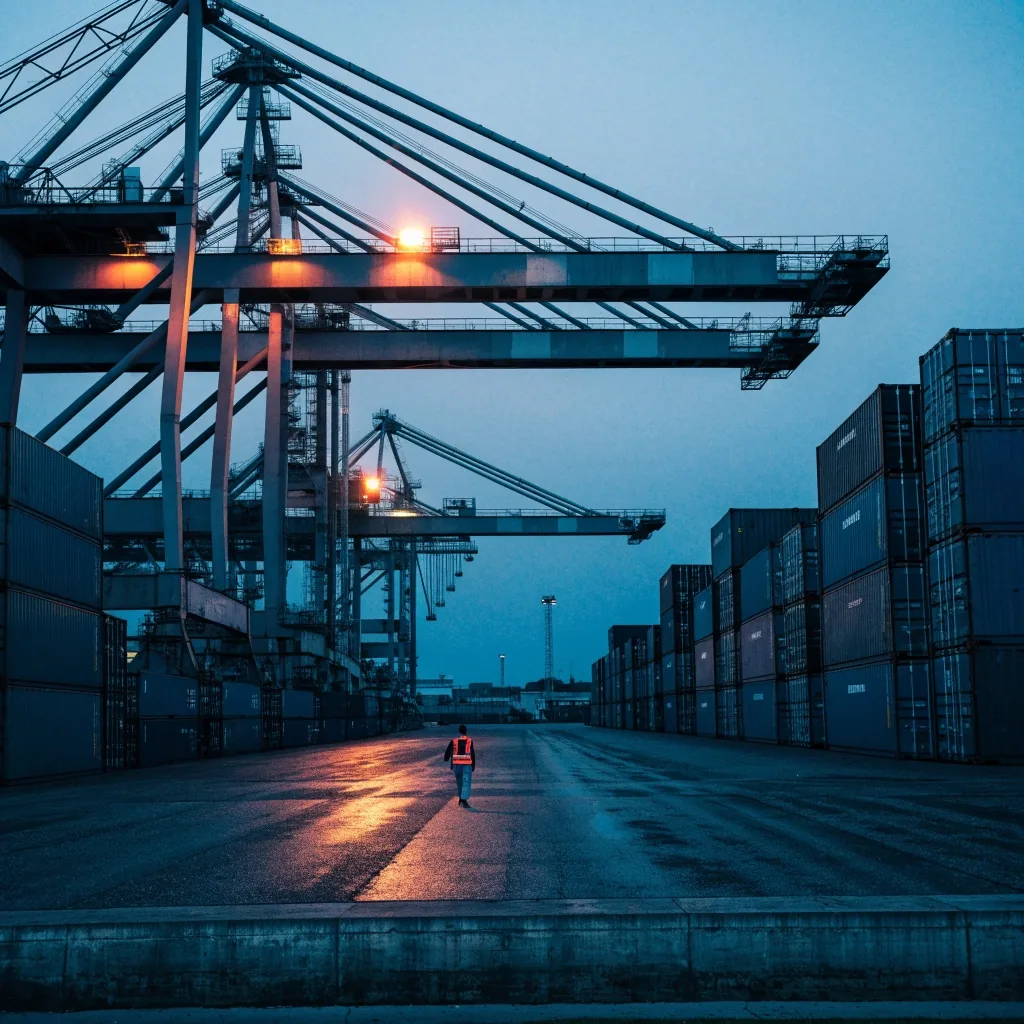
Gantry cranes lifting stacked containers at a Belgian seaport terminal in humid noon haze

Lochristi, Belgium · Mon–Fri 09:00–18:00

Freight forwarding in Belgium, planned around your cargo

Northern Star Freight Solutions books the space, prepares the customs documents and follows the shipment from your supplier to your loading dock. Sea, air, road, intermodal and clearance, coordinated by one team from Lochristi.

What a forwarder actually does for you

A freight forwarder is not the same thing as a trucking company. We book space with carriers, arrange the leg-by-leg movement of your goods, prepare and check the customs documents, and keep you informed while the cargo is in transit. Carriers move boxes; forwarders decide which box, on which service, through which gateway, with which paperwork filed before arrival.

That distinction matters most when something goes wrong. One party coordinating the response beats three phone numbers and a group email thread. We are based in Lochristi, a short run from both the Antwerp-Bruges port complex and the Brussels Airport cargo area, and we work with importers and exporters across Belgium.
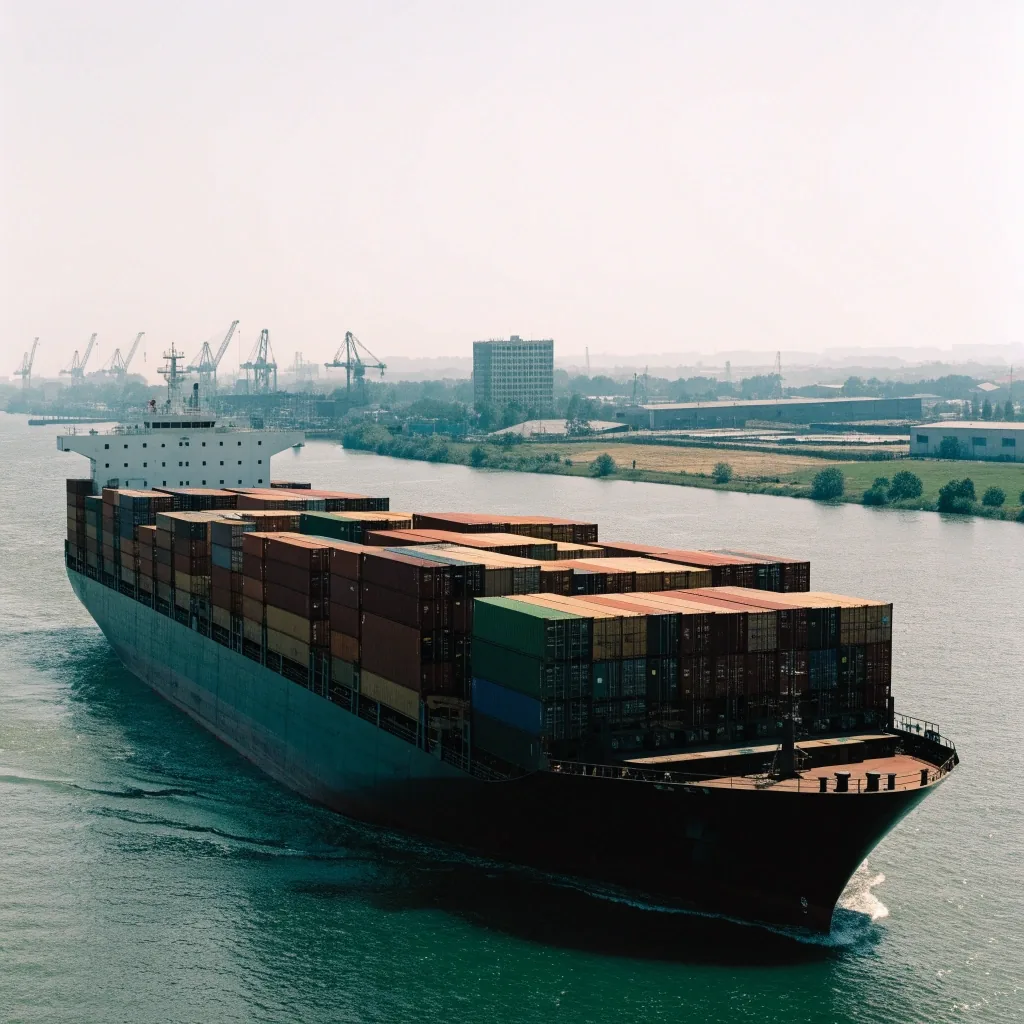
Five ways your freight moves, one team coordinating all of them

Most shipments are not a single mode. A container lands in Antwerp, clears customs, and rolls inland by truck. Air cargo arrives at Brussels and needs the same paperwork discipline. We price the combinations honestly and tell you when one option is doing work the other cannot.

What we book and clear

  • Sea freight — FCL and LCL
  • Air freight — Brussels and Liège
  • Road haulage across Belgium and the EU
  • Intermodal — rail, barge and short-sea
  • Customs clearance and documentation

Sea freight through Antwerp-Bruges

Antwerp-Bruges is the gateway most Belgian importers and exporters reach for first, and for good reason: it takes deep-sea vessels on the main Far East, North America and intra-European loops. We handle both FCL, where you book a full container, and LCL, where your pallets share a container with other shippers' cargo.

FCL suits steady volume and cargo that should not be opened in transit. LCL suits smaller consignments where paying for a whole box makes no sense. Tell us your commodity and we will tell you which one fits.

Belgian gateways we use
Trailer truck rolling along a Belgian motorway in summer haze

Gateways and corridors

Where your cargo actually enters and leaves Belgium

  • Antwerp-Bruges Deep-sea containers
  • Brussels Airport Time-sensitive air cargo
  • Liège Airport Alternative routings
  • Lochristi base Inland coordination
  • Intermodal corridors Rail, barge, short-sea
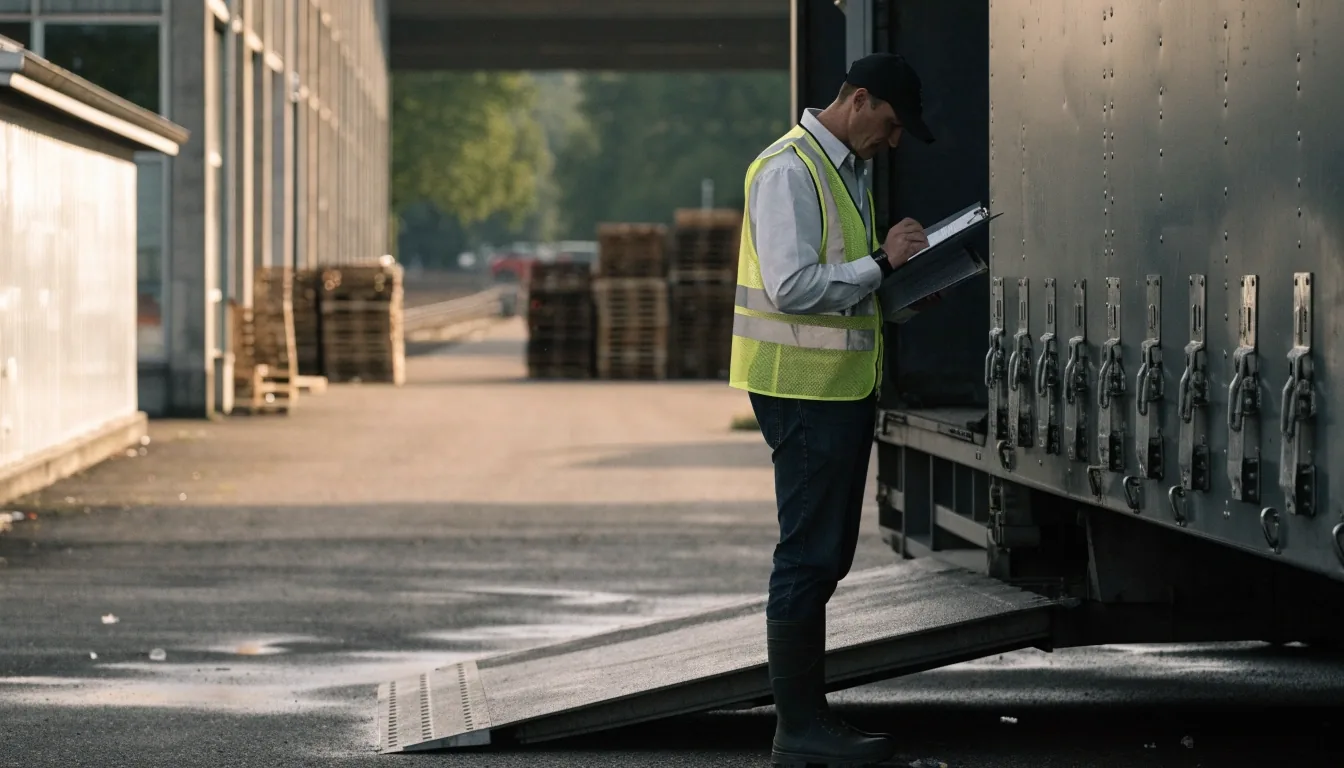
Pallet lane at a Belgian cross-dock with a trailer backing toward a dock door in bright midday light

The corridor

Antwerp, Brussels, Liège and the road network between them

Almost every Belgian routing is built around one or more of these hubs. Antwerp-Bruges takes the deep-sea containers. Brussels and Liège carry the air cargo. The inland road and rail network connects them to Ghent, Brussels and the wider Benelux distribution area — and that is the part we coordinate daily.

Road haulage and the Belgian trucking reality

Road freight is the backbone of short-haul and last-mile distribution in Belgium, and it is also the part of the market under the most strain. Fuel, wages, tolls and unpaid invoices have squeezed carriers hard, and bankruptcies among hauliers have been a recurring story.

That has a practical consequence for shippers: capacity is not infinite, and a carrier that quoted low last quarter may not be the one that shows up. We keep working relationships across the haulage market so your load has a realistic plan behind it — including a second option when the first one cannot cover the day.

Intermodal and short-sea alternatives

Not every journey needs to be a truck end to end. Intermodal transport combines rail, barge or short-sea legs with road collection and delivery, which can take kilometres off the road and steady out your costs on long corridors.

Samskip's short-sea and rail combinations are one example of how European routing can be built around water and rail rather than motorway. When a route suits it, intermodal is worth pricing alongside pure trucking, particularly for regular flows.

Compare the transport modes
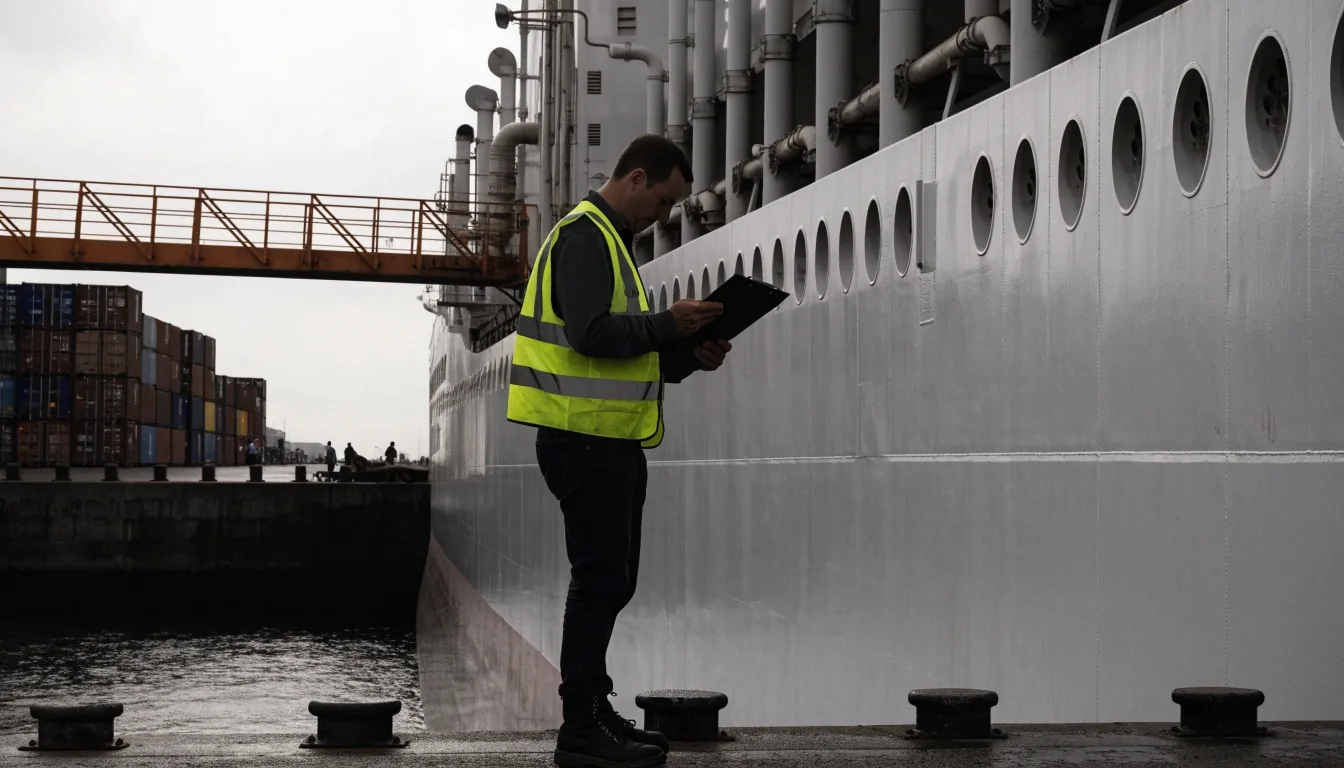
Gloved hands reviewing a blank customs form beside an open cargo hold

Customs clearance as part of the job

Customs clearance in Belgium is a core forwarding service, not an afterthought bolted on at the end. Non-EU trade depends on import and export documentation being correct before the goods arrive, because a misdeclared commodity or a missing certificate stops a container at the terminal.

We prepare and review the entry, coordinate with the customs authorities, and flag what your supplier needs to send before the shipment leaves origin. That is where most avoidable delays are actually created.

Check customs clearance support

Air freight when the clock is the constraint

Brussels Airport runs a substantial cargo operation, and it is where time-sensitive freight tends to land: pharmaceuticals, electronics, spare parts holding up a production line. Liège Airport adds another option for certain routings and carriers.

Air freight costs more per kilo than sea, so it is rarely the default. It earns its place when the value of arriving on time is higher than the freight difference, or when a delay would cost you more than the ticket.

Request a freight quote

Project cargo and out-of-gauge shipments

Some cargo does not fit a standard container. Machinery, plant equipment, oversized fabrications: these need route surveys, permits, lifting plans and often a mix of modes. Project cargo work is slower to plan and less forgiving of improvisation, so we start early.

If you can give us dimensions, weights and the site access constraints, we can work out what is feasible before anything is booked. If a route only works with a police escort or a night window, better to know that before the vessel sails.

Documents you should have ready

Most customs friction traces back to paperwork. Commercial invoice, packing list, transport document, and any certificate or licence the commodity requires.

For non-EU imports, the customs declaration itself and the basis for the declared value. If your supplier issues an invoice that does not match the packing list, expect questions at the border. A quick review before departure costs nothing and saves days later.

How the job runs

Choosing between sea, air, road and rail

The honest answer is that it depends on four things: how fast the goods need to arrive, what they are worth, how much space they take, and how flexible the delivery date is. Bring us the shipment and the deadline, and we will lay the options out plainly.

Speed

Air is the fastest and the most expensive. Sea freight is the cheapest per unit for volume and the slowest. Road is the default for European and domestic movement. Rail and short-sea sit between road and sea on long corridors.

Value

High-value cargo tolerates air freight because the freight bill is small next to the risk of a stalled line. Low-value, high-volume cargo rarely justifies it.

Space

Pallets, containers or out-of-gauge pieces each point to a different mode. If it will not fit a box, the plan starts with a survey rather than a rate.

Deadline

A flexible date opens up intermodal and consolidated options. A fixed one narrows the list quickly, and it is better to know that on the first call.

Supply chain visibility without the jargon

You do not need a dashboard full of numbers. You need to know where your cargo is, when it will clear, and whether anything has changed.

We send updates at the milestones that matter: booking confirmed, loaded, departed, arrived, cleared, delivered. When a vessel rolls or a customs query comes up, you hear it from us rather than discovering it yourself. Visibility is a working habit, not a software feature.

Where we sit among the large providers

Belgium's forwarding market includes global operators such as Maersk, DSV and Geodis Belgium, alongside regional specialists like Röhlig Belgium. Large integrated networks bring scale and standardisation.

What a smaller forwarder brings is a direct line to the person handling your file. If your cargo is straightforward and repetitive, a big network may serve you well. If you want someone who knows your account, picks up the phone, and adapts when the routing changes, that is the gap we fill.

Driver's cab interior looking out over a Belgian container terminal yard at dusk

Serving importers and exporters across Belgium

Our base in Lochristi puts us within easy reach of Ghent, Antwerp, Brussels and the wider Flemish logistics corridor, and we work with clients across Belgium. Importers tend to care most about clearance and inland delivery. Exporters care about booking space and getting documents right at origin.

Both benefit from a forwarder who knows the Belgian gateways and the road network that feeds them. Wherever your counterparty sits, the coordination happens here.

Office

Raveschoot 22, 9080 Lochristi, Belgium

Hours

Monday to Friday, 09:00–18:00

Phone

759716099

Company record

NORTHERN STAR FREIGHT SOLUTIONS

Registration number
1121131839
Directors
De Wilde Lindsay, De Groote Ellen
Registered address
Raveschoot 22, 9080 Lochristi, Belgium
More about us

Tell us what is moving

Send the commodity, the origin and destination, the rough weight or volume, and the date you need it there. We will come back with the options that fit and the documents your supplier should prepare.

We use your details only to answer this enquiry. See the Privacy Policy for how that works.

Questions we get before the first booking

How do I choose between sea freight, air freight, road transport and rail for Belgium?

Start with the deadline and the value of the goods. Sea freight through Antwerp-Bruges is the economical choice for volume when weeks are acceptable. Air freight via Brussels or Liège is for cargo where delay is expensive. Road covers European and domestic movement, and rail or short-sea makes sense on long corridors where you want fewer road kilometres.

What are the main logistics hubs in Belgium?

Antwerp-Bruges for deep-sea containers, Brussels Airport and Liège for air cargo, and the inland road and rail network connecting them to Ghent, Brussels and the wider Benelux distribution area. Most Belgian routings are built around one or more of these.

What documents are needed for customs clearance in Belgium?

Commercial invoice, packing list, transport document, and any certificate or licence specific to the commodity. Non-EU imports also need a customs declaration and a supportable declared value. We review these before departure to reduce the chance of a hold at the border.

What is the difference between a freight forwarder and a transport carrier?

A carrier physically moves the goods. A forwarder organises the movement, books space across carriers, prepares documentation, handles customs, and coordinates the whole chain. Many shippers use a forwarder precisely so they have one point of contact.

When does intermodal transport make more sense than pure trucking?

On longer, regular corridors where a rail, barge or short-sea leg can replace a large share of the road distance, and where the schedule can tolerate the handover. It is usually worth pricing alongside road rather than assuming one is always better.

Bring us the shipment and the deadline

Send the details and we will lay out the routing, the documents and the realistic timings in plain language. If your cargo is unusual, say so early — that is usually where the useful conversation starts.