
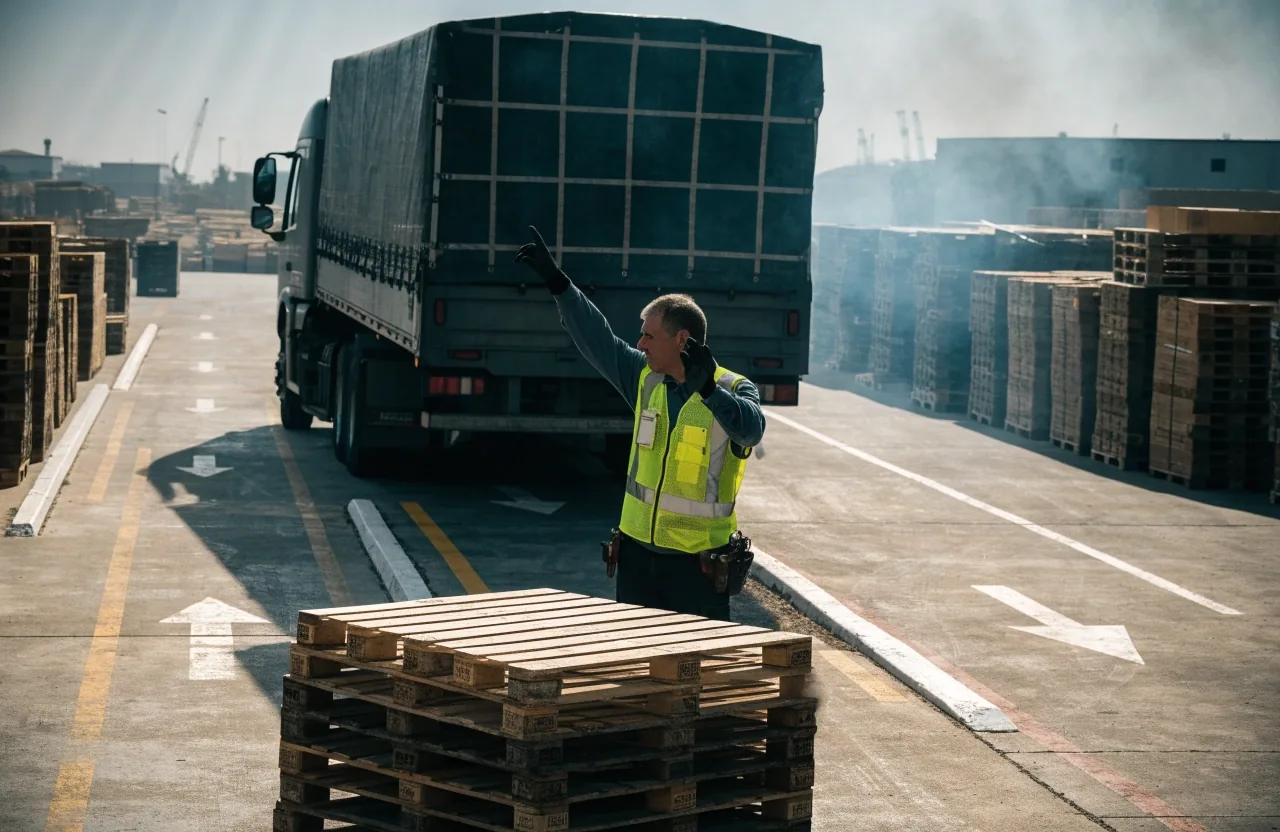
A pallet lane at a Belgian cross-dock with a trailer backing toward a loading dock at midday

Freight services from Lochristi, Belgium

Freight and logistics services built around your shipment

Sea, air, road, intermodal, project cargo and customs clearance — organised by mode and service, not sold as one fixed package.

Seven services, one shipment at a time

No two shipments need the same treatment, so we organise our work around modes and services rather than a single fixed package. Read the section that matches your cargo, or send us the details and we will tell you which combination fits.

Most Belgian importers and exporters end up combining two or three of these. A pallet of machine spares from Liège might fly out and clear customs here; a monthly container from Antwerp-Bruges might run FCL to the terminal and then intermodal to a warehouse in Ghent.

Sea freight

Sea freight: FCL and LCL

Sea freight through Antwerp-Bruges covers the bulk of Belgian import and export volume. FCL means you book a full container and it stays sealed from origin to destination, which suits steady volume and cargo you would rather not see opened. LCL means your pallets share a container with other shippers, which suits smaller consignments where a full box is wasteful.

We quote both, and we will tell you when the crossover point falls. The honest answer usually depends on volume, commodity and how often you ship the same lane.

Ask about sea or air freight
Air freight

Time-critical cargo

Brussels Airport and Liège handle the cargo that cannot wait for a vessel. Pharmaceuticals, high-value electronics and production spares are typical. We book the space, arrange the collection and delivery legs, and handle the air waybill and clearance.

Road haulage

Belgium and Europe

Full truckloads, groupage and domestic distribution, arranged with hauliers across the market. The Belgian road sector is fragmented and under cost pressure from fuel, wages and tolls, which is why we keep several haulage relationships rather than one.

Intermodal

Rail, barge and short-sea

Long European corridors can move by rail, barge or short-sea with trucks handling the ends, which reduces road kilometres and stabilises costs. If you have a regular flow, it is worth pricing intermodal next to road.

Project cargo

Out-of-gauge freight

Machinery, plant and oversized fabrications need route surveys, permits, lifting equipment and often several modes working together. Planning starts earlier and the margin for improvisation is smaller. Send dimensions, weights and site access details.

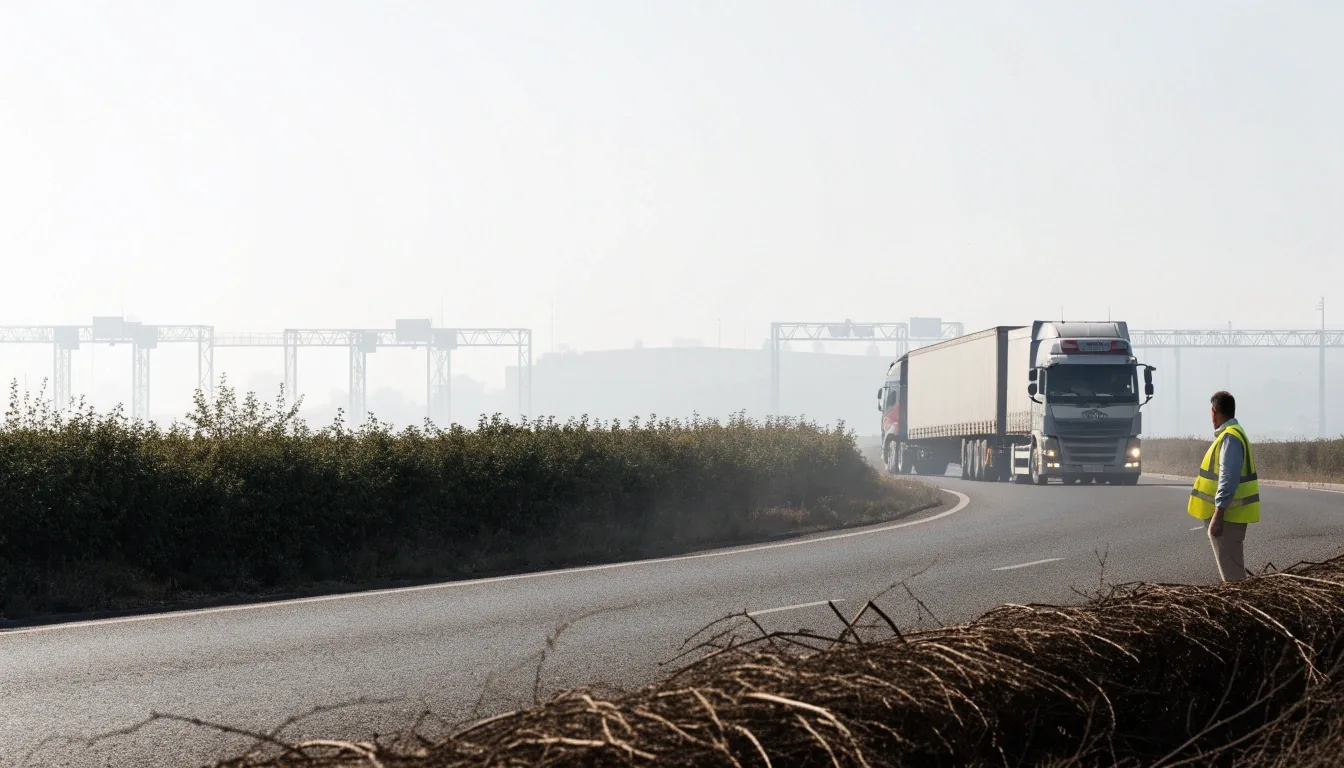
A trailer rolling along a Belgian motorway in summer haze

Why modes get compared

The cheapest leg is not always the cheapest shipment

Air freight is priced by chargeable weight and moves fast, so it is chosen when the cost of a delay outweighs the freight premium. Sea freight is cheaper per kilo but slower and tied to sailing schedules. Road is fastest on short hauls and the least predictable when the sector is stretched. Intermodal trades a little speed for steadier cost on long corridors.

We price the realistic alternatives for your lane and tell you what each one assumes, so you are comparing routes rather than headline rates.

Customs clearance

Customs clearance and trade compliance

Customs clearance sits inside every cross-border service we offer. We prepare import and export declarations, check commodity codes and values, and coordinate with the Belgian customs authorities. For non-EU trade this is where a shipment either flows or stalls.

Getting the documentation right at origin is cheaper than fixing it at the terminal, and that is where we focus our effort. If a code, a value or an origin rule is unclear, we would rather raise it before the container sails than after it lands.

Get customs clearance help

Warehousing and distribution

Some cargo needs to pause

We arrange storage and onward distribution so goods can be consolidated, held for a delivery window, or split across destinations. This is often paired with customs work, since goods in storage may still be under a customs procedure.

Tell us the volumes and the holding period and we will build it into the plan rather than bolting it on at the end.

Final leg

Last-mile delivery and final handover

The last leg is where a well-planned shipment meets the real world of loading bays, delivery windows and access restrictions.

What we confirm

Delivery window, vehicle type, and the equipment needed to unload at the consignee.

Site access

Yard restrictions, gate procedures, low bridges and any weight limits on the approach road.

Who receives

A named contact and a phone number the driver can reach, so a delay is a call, not a wait.

What to prepare

Commercial invoice, packing list, and any permit or certificate the commodity requires.

We treat this as part of the shipment, not an afterthought. Getting it wrong can undo a smooth ocean or air leg.

Where cargo moves

Belgian gateways we route through

Which gateway makes sense depends on your mode, your lane and where the cargo is going after it lands.

Sea

Antwerp-Bruges

Deep-sea container traffic and the bulk of Belgian import and export volume

Air

Brussels Airport

Time-critical and high-value air cargo with fast onward road legs

Air

Liège

Cargo flights and express handling, useful for production spares

Road

Lochristi base

Where we coordinate collection, documentation and delivery planning

Choosing between modes

A quick read on what each mode is good at, and what it assumes. We will confirm the specifics against your lane before you commit.

Sea freight FCL

Steady volume, sealed containers, cargo you would rather not see opened

Tied to sailing schedules, so plan around departure dates rather than delivery dates

Sea freight LCL

Smaller consignments where booking a whole box is wasteful

Your pallets share space, so handling is a little heavier and the container may be consolidated

Air freight

Pharmaceuticals, high-value electronics, production spares

Priced by chargeable weight, so volume can cost as much as mass

Road haulage

Short haul, groupage and last-mile distribution in Belgium

Capacity tightens around peak periods and driver availability varies by region

Intermodal transport

Regular flows on long European corridors where cost stability matters

Needs volume and a schedule that tolerates rail, barge or short-sea windows

Questions we get before quoting

If your question is not here, send it with the shipment details and we will answer it directly.

How do I decide between FCL and LCL? Open

FCL keeps your container sealed and suits steady volume. LCL shares space and suits smaller consignments. The crossover depends on your volume and commodity, and we will quote both so you can compare.

Do you handle both imports and exports? Open

Yes. We organise inbound and outbound shipments, including documentation and clearance at both ends where we are involved.

Can you take on a one-off shipment? Open

Yes. Regular flows benefit most from planning, but single shipments are handled the same way, starting with the routing and documentation.

Tell us the cargo and we will tell you the route

Send the mode you think you need, or just the pickup and delivery points, weights and deadlines. We will come back with the services that fit and what each one assumes. If intermodal is worth pricing next to road, we will say so.

Reach the office

Not sure which service applies? Describe the shipment and we will point you at the right one.