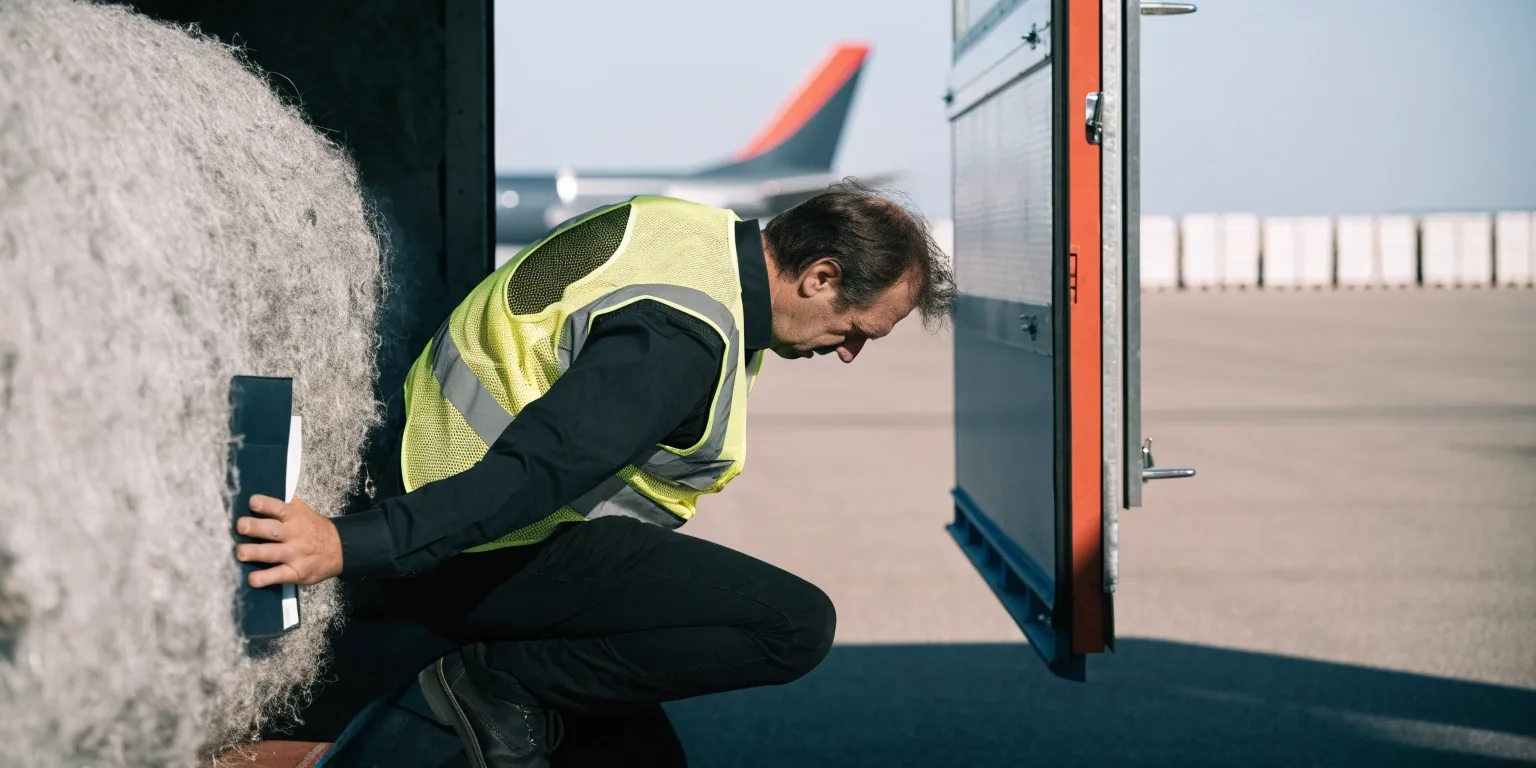
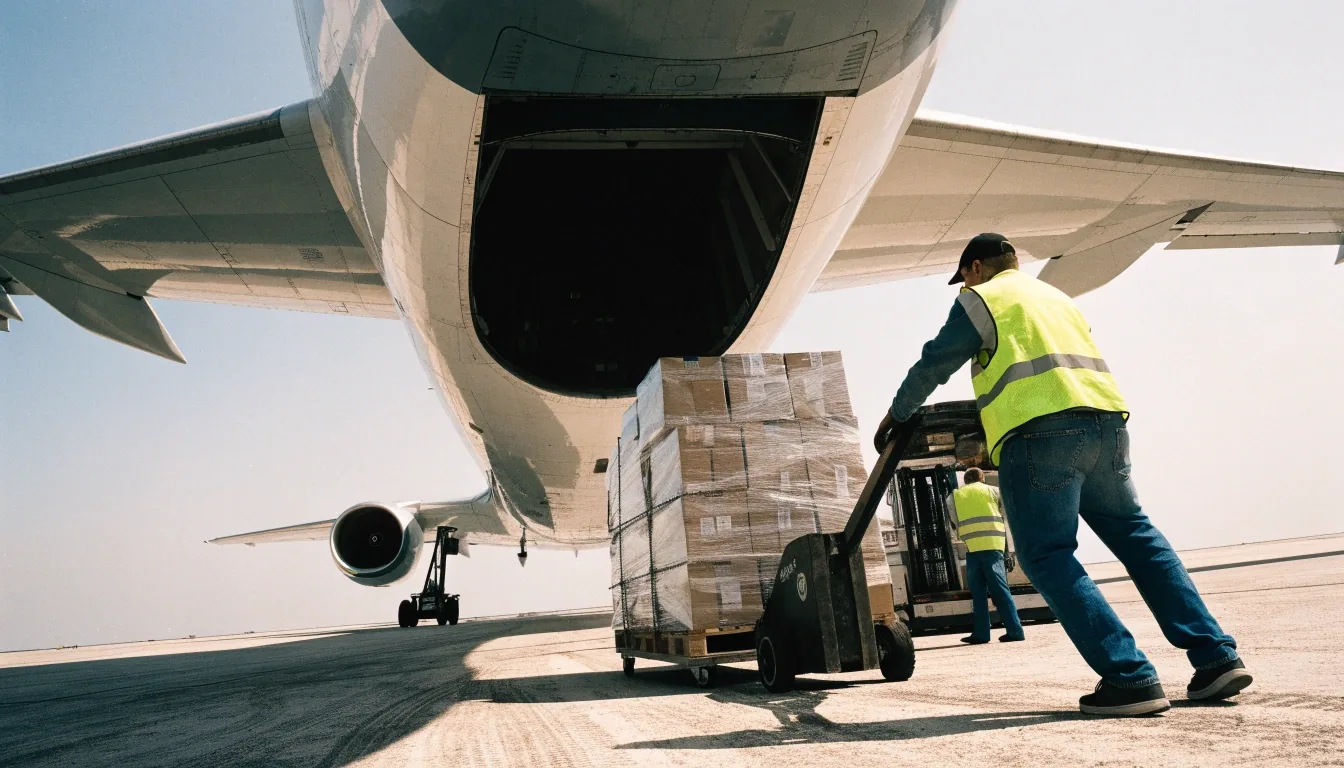
Palletised air freight being loaded on a cargo apron at Brussels Airport

Customs clearance · Belgium

Customs clearance in Belgium, handled before arrival

Documentation, duty guidance and border compliance for importers and exporters working through Antwerp-Bruges, Brussels and Liège.

The border is not a formality

Customs is where cross-border freight either moves or stops. A container can sit at Antwerp-Bruges for days over a mismatched invoice, and an air shipment at Brussels can miss its onward connection because a certificate was not attached. This page explains how Belgian clearance works in practice, what documents matter, and how we keep the border from becoming the slowest part of your journey.

Why clearance is a forwarding job

Clearance is not a separate administrative task you bolt on at the end. It is tied to what was shipped, how it was declared, and what the supplier put on the paperwork at origin. Because we book the transport, we see the documents before the goods arrive, which is when mistakes are still cheap to fix. Handling transport and customs together is standard practice for Belgian forwarders, and it removes the gap where problems usually hide.

Documents that decide the outcome

The commercial invoice and packing list are the foundation. Then the transport document, plus any certificate or licence the commodity requires. For non-EU imports, the customs declaration and a supportable declared value. The common failure is a mismatch: an invoice that lists goods differently from the packing list, or a value that does not reflect what was actually paid. Customs officers notice, and the shipment waits while it is resolved.

  • Commercial invoice

    States the seller, buyer, goods description, quantity and the value actually paid. It is the document every other check is measured against, so the description has to match the cargo that arrives.

  • Packing list

    Breaks the shipment down by package, count and weight. When the packing list and the invoice describe the same goods in different words, an officer has to stop and ask.

  • Transport document

    Bill of lading, air waybill or CMR, depending on the mode. It carries the consignee details and the carrier reference the declaration is filed against.

  • Certificates and licences

    Some commodities need a health, veterinary, CITES or import licence before release is possible. These take time to issue, so they belong in the file before departure, not after arrival.

  • Declaration and declared value

    For non-EU imports, the entry that duty and VAT are calculated from. The declared value has to be supportable from the invoice and any freight or insurance costs you have added.

Import procedures, step by step

For an import, the sequence runs from the arrival notification to the released goods. Each step has a dependency, so a delay in one pushes everything behind it.

  1. Step 1

    Arrival notification and carrier file

    We start from the carrier's arrival notice and its documentation, so the entry is built on what the ship, aircraft or truck actually carried.

  2. Step 2

    Classification and value basis

    We check the commodity classification and confirm the value basis the declaration will stand on. This is where a wrong code gets caught before it costs days.

  3. Step 3

    Declaration, duty and VAT

    The declaration is prepared and submitted, and duty and VAT are calculated and settled as required before the entry can be accepted.

  4. Step 4

    Release and delivery

    Once the entry is accepted and any inspection cleared, the goods are released. From there the transport we booked carries them to the delivery address.

A loaded trailer rolling through summer haze on a Belgian motorway

Export procedures and origin documentation

On the export side, the priority is getting the declaration and any origin or preference documentation right before the goods leave. Certificates of origin and preferential treatment documents are only useful if they are correct and issued in time. Once the cargo is cleared for export and loaded, the transport document follows. Export errors are quieter than import errors, but they can cost a buyer their duty preference.

Trade compliance beyond the declaration

Compliance covers more than filling in a form. It includes correct classification, accurate valuation, and awareness of restrictions or licensing that apply to certain goods. It also includes keeping records that stand up if a declaration is reviewed later.

We keep the file organised so questions can be answered from documents rather than memory. That discipline is what separates a smooth clearance history from a bumpy one, and it matters most when a query arrives months after the goods have already been delivered.

Working with the Belgian authorities

Belgian customs operates within the EU framework, and the practical interaction happens through the declaration systems and, when required, physical or documentary inspection. We coordinate with the authorities on your behalf so you are not translating questions into action yourself.

When an inspection is called, we arrange the access and the handling. Most declarations pass without inspection, but the ones that do not are where experienced handling shows.

Common mistakes that cause border delays

  • Wrong commodity codes
  • Invoices that do not match the packing list
  • Missing certificates
  • Values that look inconsistent with the goods
  • Suppliers who ship before sending documents
  • Paperwork reviewed after the goods have moved

Each of these is avoidable, and each has cost a shipper days at some point. The fix is unglamorous: review before departure, confirm the paperwork is complete, and do not let the goods move until it is.

When to involve us

The earlier the better. If you tell us about a shipment while it is still being prepared at origin, we can flag documentation gaps and advise on classification before anything is booked.

If you come to us after the goods have arrived and a query has been raised, we can still help, but the options are narrower and the clock is running. Early involvement is simply cheaper.

Send us your shipment details

Questions we get asked

Three answers that come up most often when importers and exporters call us about clearance in Belgium.

See how we run a shipment
What documents are needed for customs clearance in Belgium?

Commercial invoice, packing list, transport document, and any commodity-specific certificate or licence. Non-EU imports also require a customs declaration and a supportable declared value.

Can you clear a shipment that another forwarder arranged?

Yes, in many cases. Send us the carrier details and documents and we will confirm what is possible.

How can delays at Antwerp or Brussels be reduced?

By making sure the documentation is complete and consistent before the goods move. Most delays start with a paperwork mismatch, not with the border itself.

Start clearance before the goods move

Send us the shipment details while they are still being prepared at origin and we can review the paperwork, flag gaps, and advise on classification before anything is booked. If the goods have already arrived, send the file anyway and we will tell you what is still possible.

Talk to the desk