Before anything moves
You tell us the shipment
Goods, origin, destination, weight, dimensions, timing. The clearer the detail, the more precise the routing advice and the quote that follows it.
 NORTHERN STAR
FREIGHT SOLUTIONS
Lochristi, Belgium
Raveschoot 22, 9080 Lochristi
Monday to Friday, 09:00–18:00
Request a quote 759716099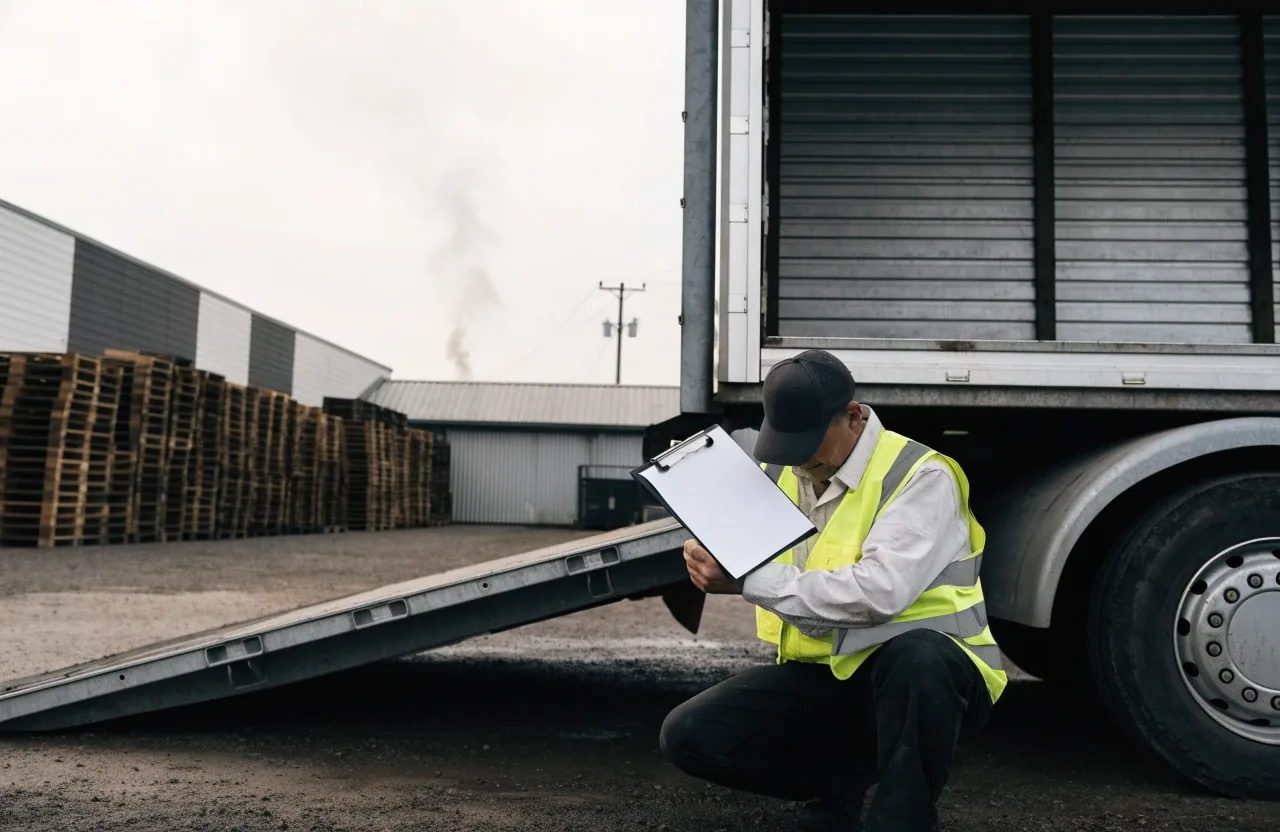
Freight process, step by step
Freight has a lot of moving parts, and most of the stress comes from not knowing what happens next. This page sets out how we work, in the order it actually happens.
The enquiry, the routing advice, the quote, the documentation, the transport, and the delivery confirmation. If you know where you are in this sequence, you know what to expect — and you know what we still need from you before anything moves.
Most delays we see do not come from the sailing or the flight. They come from a detail that was never confirmed at the start: a missing certificate, a weight that was estimated rather than measured, a consignee address that changes at the last minute. Working in a fixed order is how those get caught while they are still cheap to fix.
Before anything moves
Goods, origin, destination, weight, dimensions, timing. The clearer the detail, the more precise the routing advice and the quote that follows it.
The middle of the job
Invoice, packing list, transport document, certificates, customs declaration and value basis. Problems found here are cheaper than problems found at the terminal.
The end of the job
We agree the delivery window with the consignee, coordinate access and unloading, then confirm the delivery in writing so it closes the file.
Step one
Everything starts with the shipment. Tell us what the goods are, where they are going and coming from, roughly how much they weigh and measure, and when they need to move. The more precise the details, the more precise the quote.
If you are not sure about a detail, say so. We would rather work with an honest gap than a guess that turns out wrong at the terminal.
If your supplier is already involved, you can put us in touch directly. We are used to coordinating with suppliers at origin and with carriers who are already part of your shipment.
Once we understand the shipment, we lay out the realistic options. Sea versus air, FCL versus LCL, road versus intermodal, and which gateway makes sense for this cargo and this timing.
You choose with the full picture rather than a single number and no context.
We explain the trade-offs in plain terms: this is faster, this is cheaper, this is more resilient if the schedule shifts. Where two options are close, we say so instead of steering you toward one.
A quote should be readable. We set out the freight charges, the terminal and handling costs, the customs work, and the inland delivery, so you can see what you are paying for rather than one lump figure with no way inside it.
Where a cost is variable — duty, or a charge that depends on final weight — we say so on the line, not in a footnote. A quote that hides its assumptions is not a quote; it is a surprise waiting to happen at the invoice.
What a quote from us contains
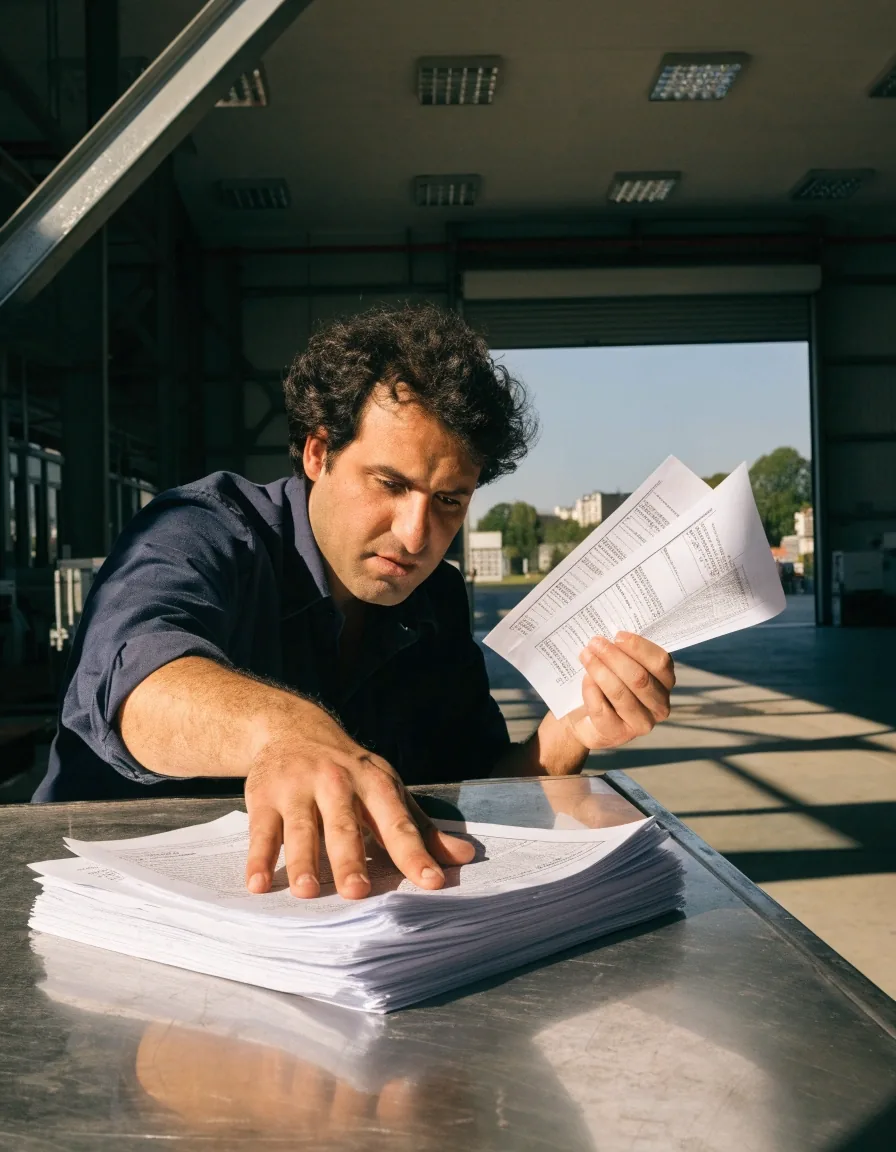
Two options, laid out side by side
Before the goods move, the paperwork has to be right. We check the commercial invoice, packing list, transport document and any certificate the commodity needs.
For non-EU trade, the customs declaration and value basis are prepared. This is the stage where problems are cheapest to fix, so we spend time here rather than rushing to load.
Commercial invoice
The description and value here decide how customs treats the shipment. Vague wording on an invoice follows the cargo all the way to release.
Packing list
Counts and package types have to match what actually arrives. A mismatch at the terminal means the goods sit while it is sorted out.
Transport document
The bill of lading or waybill names who can collect the goods. Getting the consignee right the first time avoids a correction later.
Certificates
Some commodities need an origin, health or conformity certificate. We tell you early which ones apply so they can be issued in time.
Customs declaration
For non-EU trade, the declaration and the value basis behind it are prepared before arrival, not improvised once the goods land.
Value basis
Duty is calculated on a stated basis. If freight and insurance are handled inconsistently, the figure can be challenged later.
With the routing agreed and the documents checked, we book the space and confirm the schedule. The cargo is collected, loaded, and moved through the chosen gateway. From that point you get updates at the milestones that matter, not a running commentary you have to filter yourself.
Booking confirmed
Space is held with the carrier and the schedule is fixed. If the vessel or flight is already showing signs of shifting, we tell you now rather than after the cut-off.
Loaded
The goods are on board or on the trailer. Any discrepancy between what was booked and what was loaded surfaces here, while the cargo is still at the dock.
Departed
The shipment has left the origin gateway. You get the reference you need for your own records, and we start tracking the arrival side.
Arrived
The goods are at the Belgian gateway and the arrival process begins. If a vessel rolls or a flight is rescheduled on the way, you hear it from us first.
Where the route uses more than one mode — sea then road, air then road, barge then truck — the handover between them is planned in advance. That is usually where a shipment either keeps its schedule or loses a day.
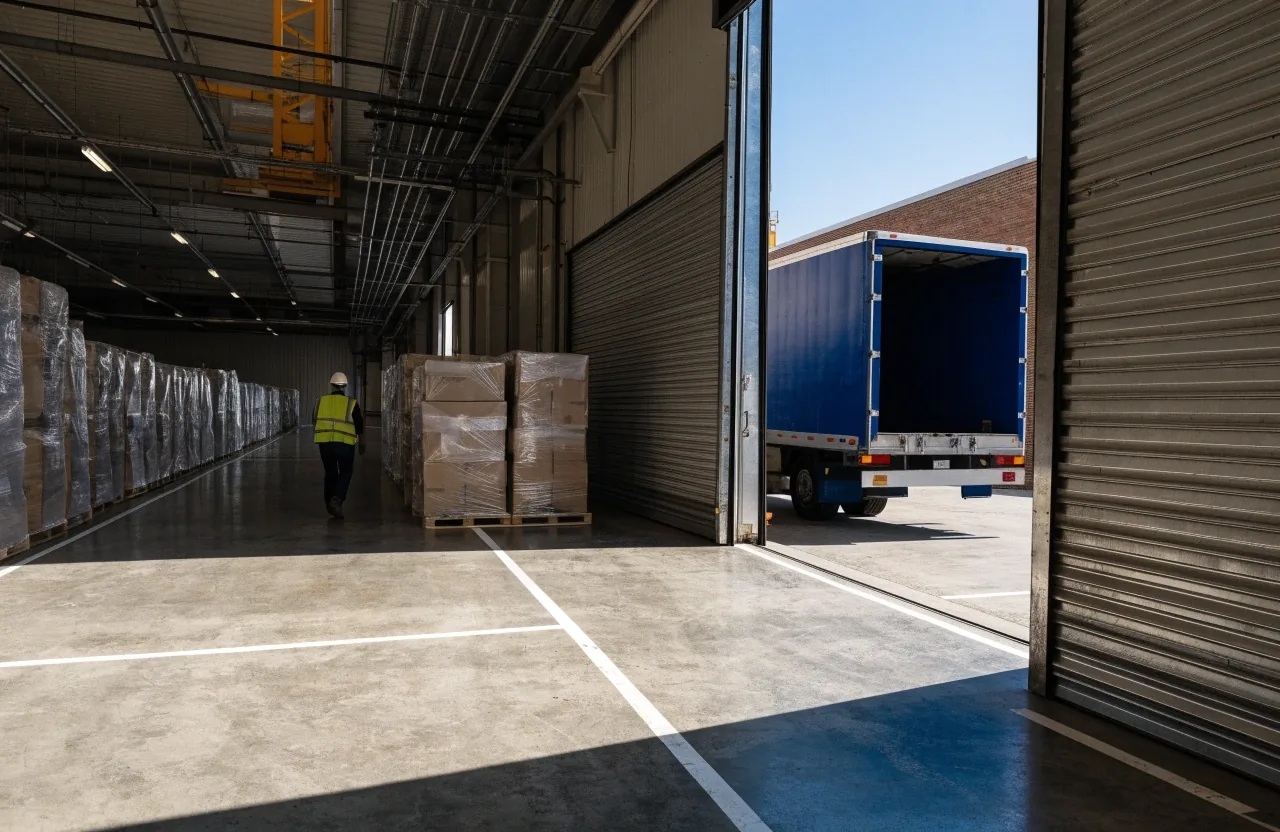
Customs and release
Duty and VAT are settled as required. If an inspection is called, we coordinate access and handling so the goods are not left waiting on a queue we could have joined earlier.
Once released, the goods are cleared to continue. This is often the point where a shipment either flows into delivery or waits — and the difference usually traces back to documentation quality, which is why we spend time on it before loading rather than after.
Customs clearance in detailThe final leg is coordinated with the consignee: delivery window, access, unloading equipment. A delivery that was never agreed in advance turns into a second trip and a second invoice.
Once delivered, we confirm it in writing. That confirmation closes the file and gives you a record for your own books. It also gives us the chance to ask what could have gone better, which is how the next shipment improves.
Visibility is not a dashboard you have to log into. It is knowing the status at each stage and being told when something changes.
We send updates at the milestones and flag exceptions early, because a problem you hear about on day one is a problem you can still influence. A problem you hear about on day ten is just news.
Milestone updates
A short message at booking, loading, departure and arrival, so the status is never a phone call you have to make.
Early exception flags
If a roll, a reschedule or an inspection threatens the date, you hear it while there is still room to react.
It depends on the shipment and the routing. Straightforward lanes can be quoted quickly; complex project cargo takes longer because more has to be checked — dimensions, lifting, permits, and the sequence at both ends.
Goods description, origin and destination, weight and dimensions, and the required timing. Any packaging or handling constraints help too — whether it stacks, whether it needs a tail lift, whether it can be left outside.
Yes. We can coordinate with suppliers at origin and with carriers already involved in your shipment, so the handover between them stays on one plan rather than two.
If you are not sure how a shipment would be handled, describe it and we will walk you through the routing, the documents and the likely timeline before you commit to anything.
We answer enquiries Monday to Friday, 09:00–18:00.
Send us the shipment details and we will come back with routing options and a quote you can read line by line. If you already know the lane and just want a figure, say so — that is a shorter conversation.
Northern Star Freight Solutions
Freight forwarding, customs clearance and multimodal transport for Belgian importers and exporters. You can also read more about how we are set up or look at the Belgian gateways we use.